

Posted by Sarah Collins
on April 17, 2026

You brush. Your mouth feels icy clean. Then coffee happens, or breakfast, or a long meeting, and that fresh feeling disappears much faster than you expected.
That’s the frustrating part about shopping for fresh breath toothpaste. Many formulas give you flavor first and function second. Mint can make your mouth feel cleaner for a little while, but mint alone doesn’t explain whether a toothpaste can help with the actual compounds that make breath smell unpleasant.
A better question is simple. Does the toothpaste mask odor, or does it neutralize what’s causing it?
That difference matters for adults rushing out the door, for parents trying to simplify family routines, and for anyone who wants a cleaner-feeling mouth without turning oral care into a chemistry exam. The good news is that the science is understandable once you break it into a few practical ideas.
That Fresh Feeling That Fades Too Fast
The pattern is familiar. You brush with a strong mint toothpaste, your breath feels fresh, and then the effect fades before lunch.

That doesn’t always mean you brushed badly. It often means the toothpaste focused more on taste and scent than on the source of odor. Mint, cinnamon, and other flavoring agents can create a quick “clean mouth” signal to your brain. But that sensory effect isn’t the same thing as controlling the odor compounds that rebuild after brushing.
Flavor gives a signal, not always a solution
Think of mint like opening a window in a stuffy room. The room feels better right away. But if the source of the smell is still there, the freshness won’t last.
That’s why ingredient labels matter. A fresh breath toothpaste may include ingredients that help loosen plaque, reduce the bacterial buildup that feeds odor, or directly neutralize odor-causing compounds. Those products tend to work differently from formulas that rely mostly on flavor oils and strong sweeteners.
Fresh breath that lasts usually comes from changing the mouth environment, not just covering it with a stronger scent.
What readers often get mixed up about
A lot of people assume “fresh breath” means one thing. In reality, it can mean at least three different things on a toothpaste box:
- Minty flavor: A pleasant taste right after brushing.
- Cleaner surfaces: Ingredients that help remove plaque and film from teeth and the tongue.
- Odor control: Ingredients that target the compounds linked to unpleasant breath.
If you want a more natural daily routine, it also helps to look beyond the toothpaste tube. Habits like hydration, tongue cleaning, and food choices make a difference too. If you want simple ideas that fit into everyday life, this guide on natural ways to freshen breath is a helpful companion.
The Real Cause of Bad Breath
Bad breath isn’t usually just “food stuck in your teeth.” That can contribute, but the bigger story is bacterial activity inside the mouth.
The main troublemakers are volatile sulfur compounds, often shortened to VSCs. If that term sounds technical, here’s the plain-English version. They’re odor molecules produced when certain oral bacteria break down proteins and debris. You can think of them as bacterial exhaust fumes.
Where those odor compounds come from
These compounds tend to form in areas that are easy to miss during a quick brush:
- The tongue surface, especially toward the back
- Along and below the gumline
- Between teeth, where trapped debris lingers
- Dry areas of the mouth, where saliva isn’t washing things away as well
This helps explain why someone can have clean-looking teeth and still struggle with breath that turns unpleasant quickly. A shiny front smile doesn’t tell you much about what’s happening on the back of the tongue.
Why masking falls short
A minty toothpaste can temporarily overpower odor. But if the bacteria keep generating sulfur compounds, the smell returns once the flavor fades.
Some fresh breath toothpastes use oxygenating ingredients to deal with that chemistry more directly. For example, oxygenating agents like Sodium Chlorite (OXYD-8™) can target and neutralize VSCs, reducing their levels by up to 90% within 30 minutes post-brushing, with effects lasting over 12 hours due to stable pH, according to TheraBreath Fresh Breath toothpaste information.
That’s a very different mechanism from “stronger mint.”
Practical rule: If a toothpaste talks only about flavor and not about how it handles odor compounds, it may be built for short-term freshness more than lasting freshness.
What this means for your routine
Once you understand the cause, the routine gets easier to troubleshoot. If your breath feels fresh for only a short time, ask yourself:
- Am I only brushing my teeth, not my tongue?
- Am I using a toothpaste that targets odor compounds?
- Do I deal with dry mouth during the day?
- Am I leaving plaque and food between teeth?
If you want a dentist-style overview of the common triggers people overlook, West Bell Dental Care has a useful explainer on what causes bad breath and how to stop it.
The Hero Ingredients in Fresh Breath Toothpaste
The smartest way to read a toothpaste label is to stop thinking in marketing words and start thinking in mechanisms. What is this ingredient doing inside the mouth?
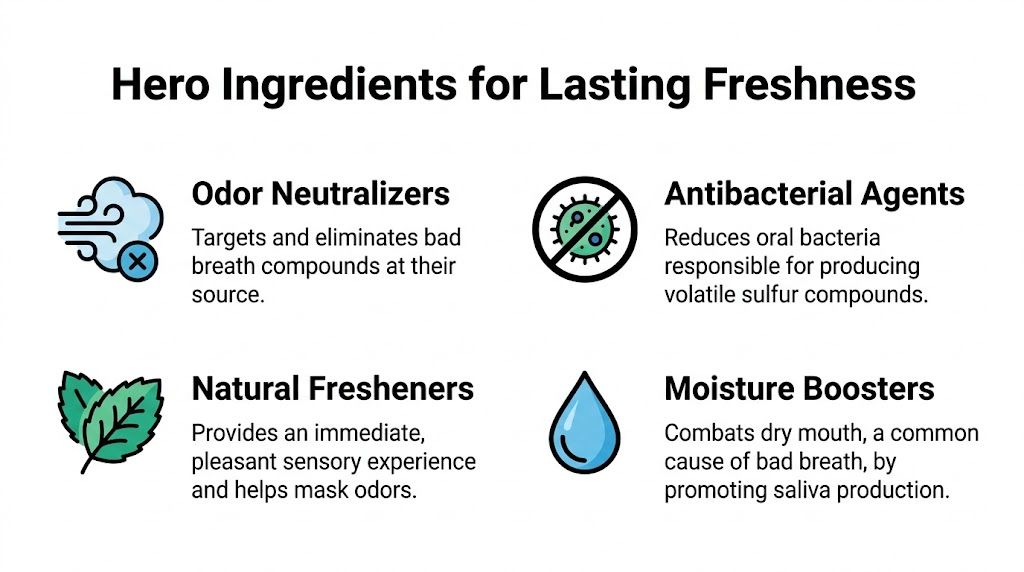
Some ingredients help by removing the film bacteria live in. Others make the mouth less friendly to odor-producing microbes. Others mainly improve the sensory experience.
Odor neutralizers
This category matters most when the goal is lasting freshness rather than a quick burst of mint.
Ingredients in this family work by reacting with odor-related compounds instead of covering them. Oxygenating systems are a good example. They’re trying to change the chemistry of bad breath, not just compete with it.
You’ll also see people look for ingredients associated with direct odor control, such as zinc-based options. If you’re curious about one of those label terms, this primer on zinc citrate toothpaste explains why it shows up in freshening formulas.
Biofilm disruptors
Bacteria don’t float around the mouth one by one like dust particles. They gather in sticky communities called biofilms. Plaque is one example.
When a toothpaste helps disrupt that film, it becomes harder for bacteria to stay attached and keep producing odor compounds.
A useful pair here is hydrated silica and xylitol. Hydrated silica is a common abrasive that mechanically disrupts plaque. Xylitol is a non-fermentable sugar alcohol that can reduce acid-producing bacteria like Streptococcus mutans by up to 80%, helping inhibit biofilm growth and support a healthier oral environment, according to this Wiley review on toothpaste ingredients and oral effects.
That’s a good example of two ingredients doing different jobs at once. One helps physically clean surfaces. The other changes how comfortably certain bacteria can thrive.
Sensory fresheners and comfort ingredients
Not every ingredient has to do heavy biological work. Some make the toothpaste pleasant enough that people use it consistently.
Mint flavors, herbal notes, and cooling agents can improve the brushing experience. They’re helpful, but they’re not the whole story. A family toothpaste that tastes pleasant but also includes ingredients aimed at odor control and cleaner surfaces is usually more useful than a formula built on flavor alone.
A pleasant taste helps with consistency. A smart ingredient profile helps with results.
Moisture matters more than people think
Dry mouth often gets ignored in breath conversations. But saliva plays a constant housekeeping role. It helps wash away debris, buffer the mouth, and keep bacterial buildup from getting too comfortable.
A toothpaste can support freshness, but if someone breathes through their mouth at night, drinks a lot of coffee, or deals with dryness during the day, that will affect how fresh their mouth feels too.
Fresh Breath Ingredient Comparison
| Ingredient | Mechanism | Primary Benefit |
|---|---|---|
| Sodium chlorite | Oxygenating action that neutralizes odor compounds | Targets VSC-related bad breath |
| Hydrated silica | Mechanical cleaning and plaque disruption | Helps remove surface buildup |
| Xylitol | Makes the oral environment less friendly to certain bacteria | Supports a cleaner biofilm balance |
| Mint and other flavoring agents | Sensory cooling and scent | Gives an immediate fresh feeling |
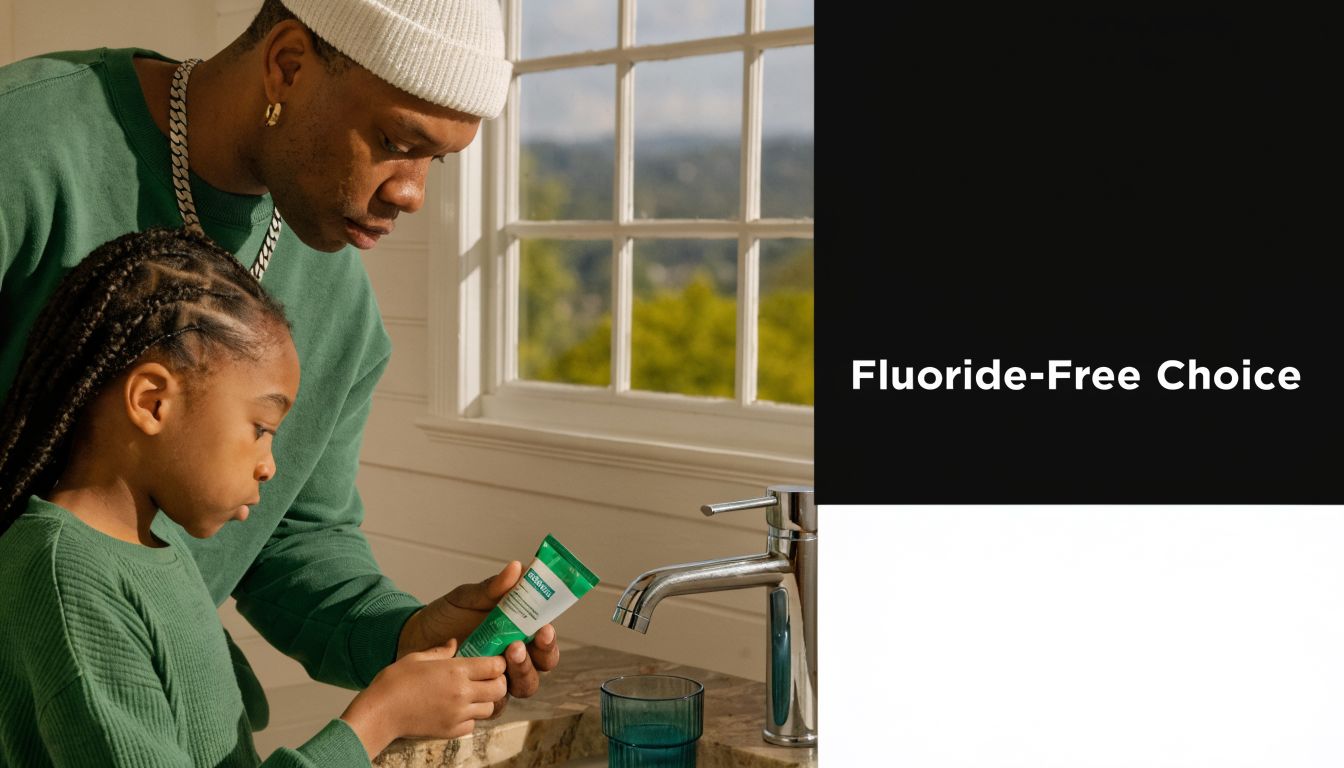
Why Families Are Choosing Fluoride-Free Options
Some families don’t choose fluoride-free toothpaste because they’re anti-dentist or anti-science. They choose it because they want a formula that feels simpler, gentler, or more aligned with their preferences for daily use.
That’s especially common among parents shopping for kids, adults with sensitivity, and people who want ingredient lists they can understand without giving up the “clean mouth” payoff they expect from brushing.
Why nano-hydroxyapatite gets attention
One reason nano-hydroxyapatite, often shortened to nHa, stands out is that it’s a mineral associated with tooth structure. For health-conscious shoppers, that makes it feel like a modern materials-science approach rather than just another flavor-driven toothpaste trend.
Fresh breath fits into that conversation because a toothpaste isn’t only about enamel support. It’s also about how clean and smooth the mouth feels after brushing, and whether that clean feeling lasts.
A 2024 study in the Journal of Clinical Dentistry found that toothpastes with 10% nano-hydroxyapatite reduced volatile sulfur compound levels by 65% over four weeks, compared with 52% for standard fluoride controls, for breath freshness, especially in users with sensitivity, as referenced here on Pronamel’s product page.
Why this appeals to real households
For many families, the attraction is practical:
- Parents often want one routine that feels straightforward for adults and kids.
- Sensitivity-prone users often prefer formulas that feel gentle in daily use.
- Expecting mothers may lean toward simpler ingredient choices during pregnancy.
- Ingredient-conscious shoppers often want oral care that feels more modern and less harsh.
If a family wants fluoride-free toothpaste, the most useful question isn’t “Is it trendy?” It’s “Does it use ingredients with a clear purpose?”
That’s where nHa-based options can fit. They appeal to people who want breath support, enamel-minded care, and a family-friendly routine without turning toothpaste into an all-or-nothing debate.
Your Complete Fresh Breath Routine
The search for fresh breath isn’t new. According to Delta Dental’s history of toothpaste, Egyptians created the first recorded toothpaste around 5000 BC using ingredients like crushed eggshells, myrrh, and pumice, and Romans later used oyster shells and cinnamon. That long history tells you something simple. People have always wanted cleaner mouths and better-smelling breath.
The modern version is less gritty, thankfully, but the principle hasn’t changed. Toothpaste helps most when it’s part of a full routine.
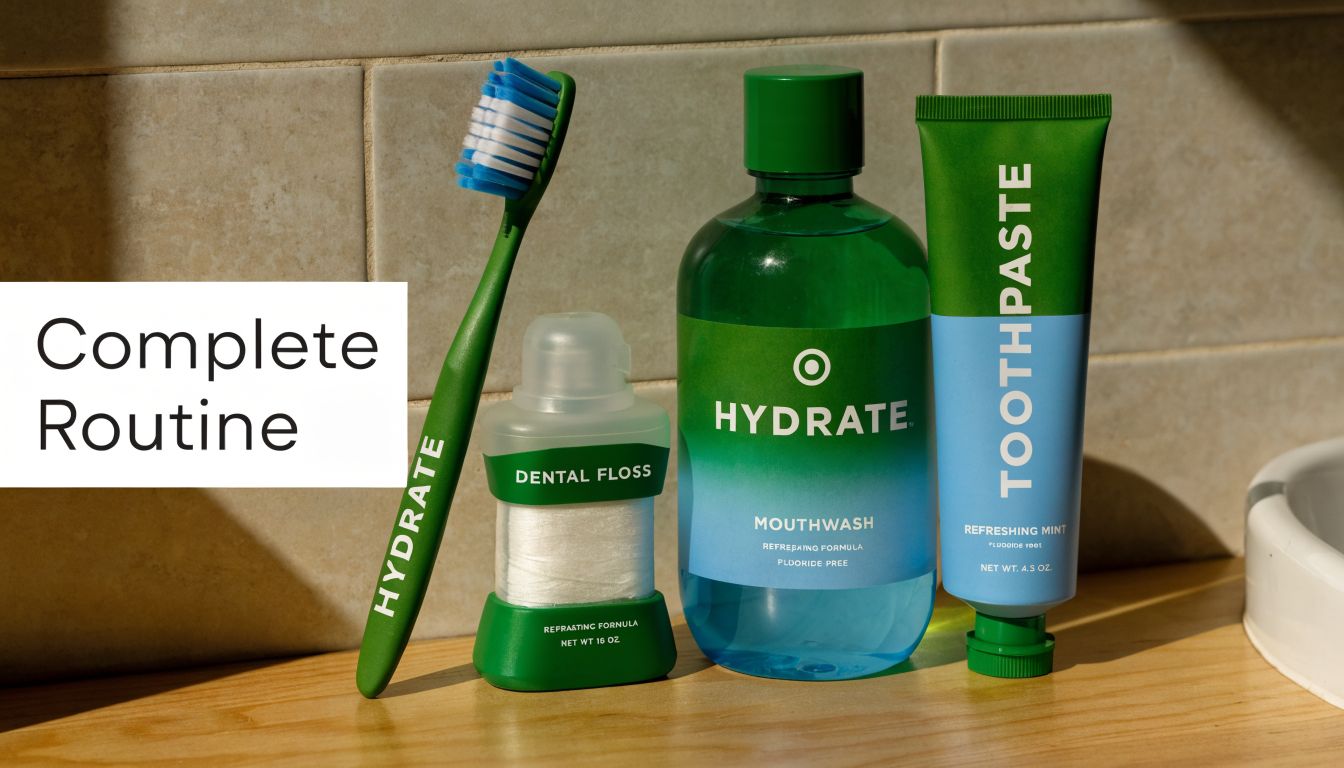
The four-part routine that makes the biggest difference
-
Brush with intention
Cover the gumline, the chewing surfaces, and the places where plaque likes to settle. A quick front-teeth scrub won’t do much for long-lasting breath. -
Clean between teeth
Floss or floss picks remove trapped debris that your toothbrush can’t reach. If food and plaque stay between teeth, odor can hang around no matter how fresh your toothpaste tastes. -
Clean the tongue
This is one of the most overlooked steps in oral care. The tongue, especially the back portion, holds onto coating and bacteria that contribute to bad breath. If you’ve never added this step, a guide to the benefits of tongue scraping shows why people notice such a difference. -
Support moisture
Sip water through the day and pay attention to habits that leave your mouth dry. A dry mouth often feels stale faster.
A simple family setup
A realistic bathroom routine doesn’t need a dozen products. Many households do well with:
- A fresh breath toothpaste with ingredients chosen for more than flavor
- Floss or floss picks for daily interdental cleaning
- A tongue scraper for the coating a toothbrush often misses
- Water nearby if morning coffee or dry indoor air is part of the routine
Mouthology offers a fluoride-free toothpaste with 10% nano-hydroxyapatite, along with tongue scrapers and floss picks, which is one example of a routine built around toothpaste plus complementary tools.
“If your breath only feels clean right after brushing, your routine probably needs a tongue and between-teeth step.”
Choosing the Right Toothpaste For Your Family
Choosing a fresh breath toothpaste gets easier when you stop looking for one “perfect” product and start matching the formula to the person using it.
If you have sensitive teeth
Look for a toothpaste that feels gentle enough for regular use and has a clear reason for being in your routine. For many sensitivity-prone adults, that means looking at mineral-based options and avoiding formulas that feel overly harsh or overly focused on strong flavor.
A toothpaste can support fresh breath best when you’ll use it consistently, not when it just sounds impressive on the box.
If you’re buying for children
Parents usually want three things at once. A toothpaste their child will tolerate, a formula that feels family-friendly, and ingredients that serve a real purpose.
It can also help to review pediatric brushing guidance from a dental office rather than relying on packaging alone. Clayton Dental Studio has a practical overview of the best toothpaste for children that can help parents think through age, taste, and daily habits.
If you want a cleaner ingredient profile
Some shoppers prefer a fluoride-free option because it fits their values. Others want fewer unnecessary extras and more ingredient transparency.
In that case, read labels with these questions in mind:
- What handles odor? Look for ingredients that do more than add mint flavor.
- What helps clean surfaces? A toothpaste should help disrupt buildup, not just perfume it.
- Will everyone in the house use it? The best routine is the one people can stick with.
- Does it fit your comfort level? Pregnancy, sensitivity, and family preferences all matter.
The right toothpaste isn’t the one with the loudest promise. It’s the one that matches your family’s needs and supports a routine you’ll keep doing.
Frequently Asked Questions About Fresh Breath
Does charcoal toothpaste give longer-lasting fresh breath?
Not automatically. Some charcoal formulas may help with surface cleaning, but “charcoal” by itself doesn’t tell you whether the toothpaste targets odor compounds or supports a healthier oral environment. Read beyond the trend word.
Can mouthwash replace brushing?
No. Mouthwash can be a useful add-on, but it doesn’t replace the physical cleaning of brushing, flossing, and tongue cleaning. Fresh breath usually lasts longer when you remove buildup, not just rinse over it.
Is mint the most important ingredient in fresh breath toothpaste?
Mint matters for taste and that immediate clean feeling. It’s just not the same thing as lasting odor control. A toothpaste can taste strong and still fall short if it doesn’t address the cause of bad breath.
How long should a good fresh breath toothpaste work?
That depends on your routine, your saliva flow, what you eat and drink, and whether you clean your tongue and between your teeth. The best products support freshness, but they work best when the rest of your routine isn’t leaving odor behind.
What’s the biggest mistake people make?
They focus only on teeth. Breath comes from the whole mouth. If you brush carefully but skip the tongue and the spaces between teeth, you’re leaving major odor zones untouched.
Fresh breath isn’t just a flavor. It’s the result of cleaner surfaces, fewer odor compounds, and a routine that handles the places bad breath starts.
