

Posted by Sarah Collins
on August 23, 2026

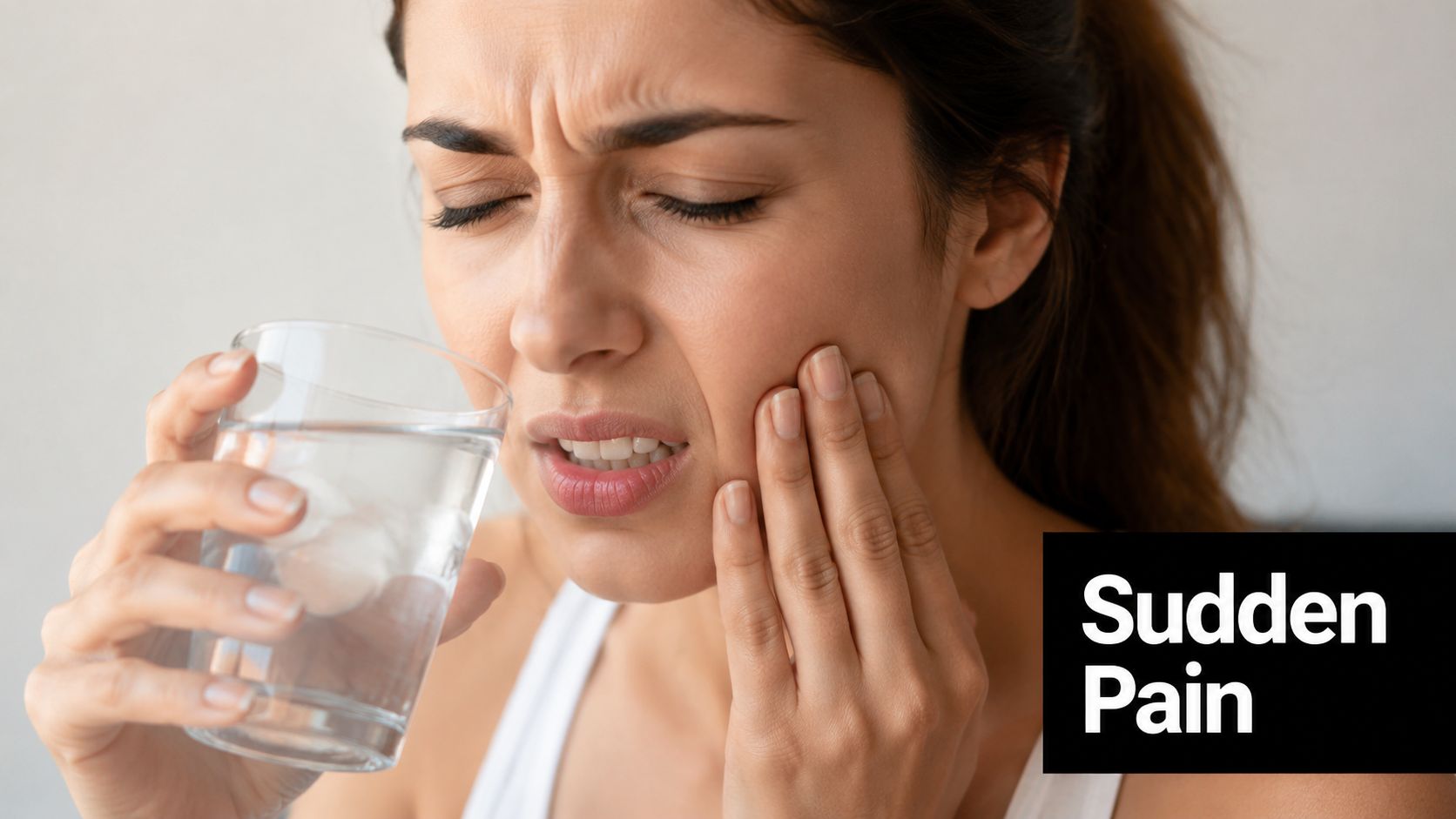
You take a sip of cold water and feel a quick, sharp jolt. Maybe ice cream, citrus, or even a breath of winter air creates the same reaction. The discomfort fades quickly, but it can make everyday eating and drinking surprisingly frustrating.
The best toothpaste for tooth sensitivity isn't the one with the boldest promise on the package. The right choice depends on why the sensitivity is happening, which active ingredient matches that mechanism, how quickly you need relief, and whether you also want to support enamel exposed to daily wear.
Tooth sensitivity is common, although estimates vary widely. A systematic review found a best estimate prevalence of 11.5% and an average across studies of 33.5%, while earlier reviews commonly placed adult prevalence around 25% to 30%. Differences in study design and diagnosis explain some of that range, but the evidence confirms that sensitivity is a widespread oral-health concern, not a niche complaint (systematic review of dentine hypersensitivity).
Why Your Teeth Hurt and What Sensitivity Really Means
A sharp reaction to cold doesn't necessarily mean your teeth are “weak.” Often, it means the protective surface has become thinner or the gumline has moved, exposing the dentine beneath.
Dentine contains microscopic channels called dentinal tubules. When dentine is exposed and those tubules are open, temperature, touch, sweetness, or airflow can stimulate movement of fluid inside them. That fluid movement is linked to the short, sharp pain associated with dentine hypersensitivity (dentine hypersensitivity mechanism).
A simple example
Suppose you notice sensitivity near the gumline of one lower tooth. You may assume the tooth itself has suddenly become more reactive. A more useful way to think about it is that the tooth's outer protection has changed, leaving a pathway through which a cold drink can trigger the underlying sensory system.
Enamel can be affected by acidic foods and drinks, mechanical wear, or brushing pressure. Gum recession can expose root dentine, which doesn't have the same enamel covering as the crown of the tooth. Grinding, clenching, decay, worn fillings, and cracks can also contribute to discomfort, so toothpaste alone isn't always the complete answer.
Practical rule: A toothpaste can help manage sensitivity, but it can't identify whether a crack, cavity, worn filling, or gum problem is responsible for new pain.
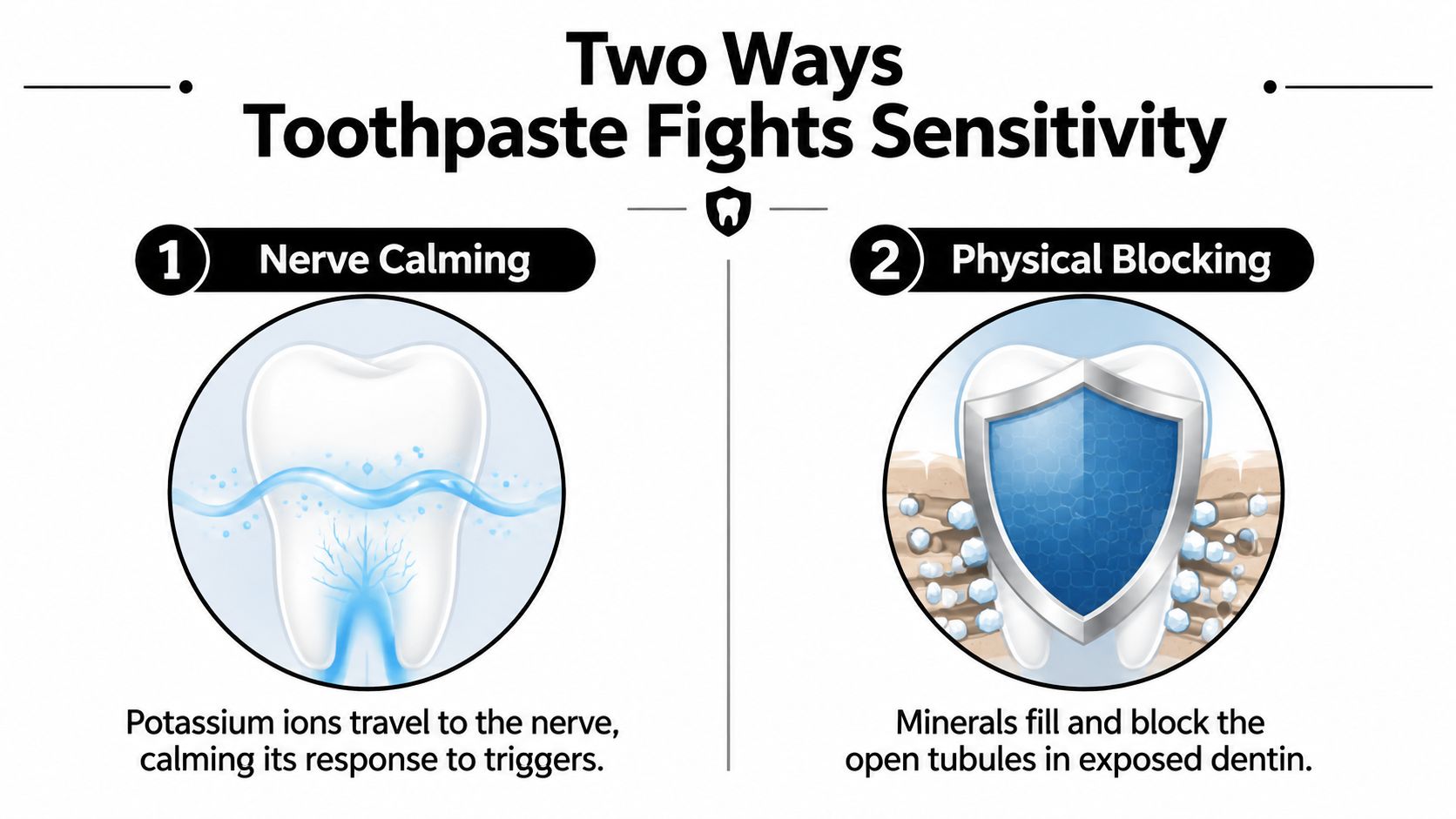
That distinction matters when you're comparing products. A formula aimed at sensitivity generally works through one of two routes. It may reduce the nerve's response to stimulation, or it may block the exposed tubules so fluid movement is reduced.
Why the cause changes your choice
If your main issue is exposed dentine and open tubules, a tubule-blocking ingredient may be especially relevant. If you want a familiar formula that gradually reduces the nerve's response with regular brushing, a nerve-desensitizing ingredient may suit your routine.
Enamel preservation deserves attention too. Someone who reacts after frequent acidic drinks may want a formula that supports mineral care alongside sensitivity relief, rather than focusing only on the sensation of pain. For a plain-language overview of common triggers, you can also read this guide to what causes sensitive teeth.
How Desensitizing Ingredients Actually Work
Sensitive-tooth formulas generally use one of two strategies. The first turns down the nerve response. The second creates a barrier over exposed dentine and limits fluid movement through the tubules.
Neither strategy should be understood as an instant cure. Toothpaste works through repeated contact during a consistent brushing routine, and clinical studies measure results over time rather than after a single use.
Nerve calming
Potassium nitrate is the familiar example. It is typically used at a 5% concentration, and potassium ions move through dentinal tubule fluid toward the pulp-dentin area. There, the ions raise the threshold needed for a nerve to fire a pain signal, so repeated exposure can make ordinary triggers feel less intense (potassium nitrate mechanism).
This approach is similar to lowering the sensitivity of an alarm. The trigger may still occur, but the nerve becomes less likely to produce a strong pain response. Because the mechanism depends on regular use, consistency matters more than trying the product once or twice.
Physical blocking
Stannous fluoride works differently. Evidence describes several actions, including reducing oral biofilm viability, supporting remineralisation of hydroxyapatite tooth mineral, and occluding dentinal tubules. A review of stannous fluoride explains its role in forming a barrier that limits the fluid movement associated with sensitivity (review of stannous fluoride).
Hydroxyapatite also belongs in the physical-blocking conversation. As a mineral that resembles the inorganic component of tooth structure, it can support the filling or covering of microscopic surface irregularities and exposed tubules. That makes it relevant for people who want sensitivity care linked to broader enamel-support goals.
Why onset differs
A formula that calms nerve activity and one that blocks tubules don't create relief in precisely the same way. The visible result on the label may sound similar, but the pathway differs, so the time needed to notice a change can differ too.
Clinical evidence supports measurable improvement with sensitivity-specific toothpaste over several weeks. In one randomized controlled study, twice-daily use of a 0.454% stannous fluoride toothpaste produced a 58.9% improvement in the mean number of sensitive teeth at Week 8, compared with 14.3% for the control group (eight-week stannous fluoride trial).
That result doesn't mean every person will experience the same outcome. It does show why ingredient type, concentration, brushing frequency, and the length of the trial period matter when you're deciding whether a formula is working.
Comparing the Top Active Ingredients for Relief
When cold water hits a tooth with worn enamel, relief depends on more than dulling the nerve signal. Compare each active ingredient by its main action, expected pace, and ability to address the exposed structure behind sensitivity.
| Ingredient | Primary Mechanism | Speed of Relief | Enamel Support |
|---|---|---|---|
| Potassium nitrate | Calms nerve response by raising the firing threshold | Builds with consistent use | Mainly selected for sensitivity management |
| Stannous fluoride | Helps occlude tubules and supports mineral protection | Often positioned as a faster-acting option | Supports remineralisation and cavity-protection routines |
| Nano-hydroxyapatite | Mineral-based tubule occlusion and surface support | Can produce measurable improvement with regular use | Biomimetic mineral support for enamel-related concerns |
Potassium nitrate for a familiar routine
Potassium nitrate works mainly on the nerve response. With repeated use, it helps raise the threshold at which the nerve reacts, so ordinary triggers such as cold drinks may feel less intense. It suits someone who prefers a familiar sensitivity active and does not expect a major change after one brushing.
Its limitation is the target. Potassium nitrate quiets the message from the tooth, while exposed dentin and open tubules remain physical contributors to sensitivity. If enamel wear is part of the problem, a formula with mineral or tubule-supporting action may address more of the situation.
Stannous fluoride for tubule control
Stannous fluoride approaches sensitivity from two directions. It can help cover exposed tubules while providing fluoride-based mineral protection for the tooth surface. In an eight-week clinical study, toothpaste containing stannous fluoride produced a 58.9% improvement in the mean number of sensitive teeth at Week 8, compared with 14.3% for the control group (stannous fluoride clinical study).
A separate randomized clinical trial found that stannous fluoride reduced cold-air sensitivity more effectively than potassium nitrate at Week 2 and across the study's combined assessment points (randomized clinical trial comparing stannous fluoride and potassium nitrate). This makes it a reasonable choice when nerve calming, tubule coverage, and fluoride care all matter.
Nano-hydroxyapatite for mineral-focused care
Nano-hydroxyapatite, often abbreviated as nHA, takes a biomimetic route. Because it resembles the mineral component of teeth, it can support coverage of microscopic surface irregularities and exposed tubules. The goal is closer to reinforcing a worn surface than turning down its alarm signal.
A 2023 meta-analysis found that hydroxyapatite-containing products reduced dentin hypersensitivity more than placebo by 39.5%, and more than fluoride by 23% in the analyzed comparisons (2023 hydroxyapatite meta-analysis). These findings support nHA for people who want sensitivity care paired with enamel-focused mineral support.
Ingredient choice still depends on the cause of sensitivity, brushing routine, and cavity-risk needs. For a broader comparison of mineral-based and fluoride formulas, Mouthology's guide to hydroxyapatite versus fluoride toothpaste explains the main tradeoffs.
Choosing the Right Formula for Your Lifestyle
A toothpaste choice should begin with your daily situation, not the brand name. An adult with substantial erosion may need a different formula from a child, while someone avoiding fluoride may value mineral support more than the quickest possible symptom change.
If you want fluoride-free care
Hydroxyapatite is a prominent fluoride-free option for people who prefer mineral-based oral care. A review reported that hydroxyapatite may reduce dentinal hypersensitivity compared with fluoridated toothpaste and placebo, and described interest in nano-HAP for sensitivity relief (review of hydroxyapatite oral care).
The appeal is straightforward: hydroxyapatite resembles tooth mineral and may help cover small surface irregularities and exposed tubules. It can suit families, people seeking a lower-irritation routine, or anyone who prefers biomimetic ingredients. Product formulation, brushing habits, and cavity risk still affect the decision. If a dental professional has recommended a fluoride routine, discuss any change before switching.
If children or pregnancy shape the decision
Parents often look for a short, understandable ingredient list and a gentle mouthfeel. During pregnancy, some people also prefer to limit unnecessary ingredients while keeping brushing comfortable.
Hydroxyapatite has been described as a potentially safe and effective fluoride alternative, including for children or people concerned about fluoride overexposure. The earlier review supports that discussion, but it does not replace individual advice. Young children may swallow toothpaste, so follow the product directions and ask a dentist or pediatric dental professional about the appropriate amount and routine.
If you need a faster clinical option
Stannous fluoride may be useful when sensitivity is intense, widespread, or linked with exposed dentine and enamel wear. In an eight-week comparison, trial evidence found the greatest onset of relief, magnitude of benefit, and complete relief with stannous fluoride compared with potassium nitrate and oxalate. A separate stabilized stannous fluoride study reported 79.8% tactile hypersensitivity reduction and 47.1% air-blast hypersensitivity reduction versus a positive control (comparative desensitizing trial).
Those findings came from particular study conditions, so they cannot guarantee the same result for every person. Pain that is severe, recurring, or limited to one tooth deserves a dental examination rather than repeated product changes.
A quick decision guide
- Choose potassium nitrate if you want a familiar nerve-calming active and can use it consistently.
- Consider stannous fluoride if you want an option that combines fluoride care with nerve-calming and tubule-coverage effects.
- Consider nano-hydroxyapatite if fluoride-free, mineral-focused care fits your preferences and you want sensitivity support alongside enamel-related care.
- Ask a dentist first if pain is localized, worsening, spontaneous, or triggered by chewing.
The Case for Nano-Hydroxyapatite as a Modern Upgrade
A sip of cold water can expose more than a sensitive nerve. If enamel has thinned or dentine is exposed, tiny tubules can act like open pathways toward the nerve. Nano-hydroxyapatite broadens the question from “How can toothpaste calm the pain?” to “How can daily care support the surface causing the reaction?”
A 2025 clinical study found that hydroxyapatite toothpaste reduced dentin hypersensitivity comparably to potassium nitrate within 2 and 4 weeks. A 2025 narrative review also concluded that hydroxyapatite may be a safe fluoride alternative, with added value for hypersensitivity and enamel-related concerns (2025 hydroxyapatite clinical evidence).
Why biomimetic design appeals to many users
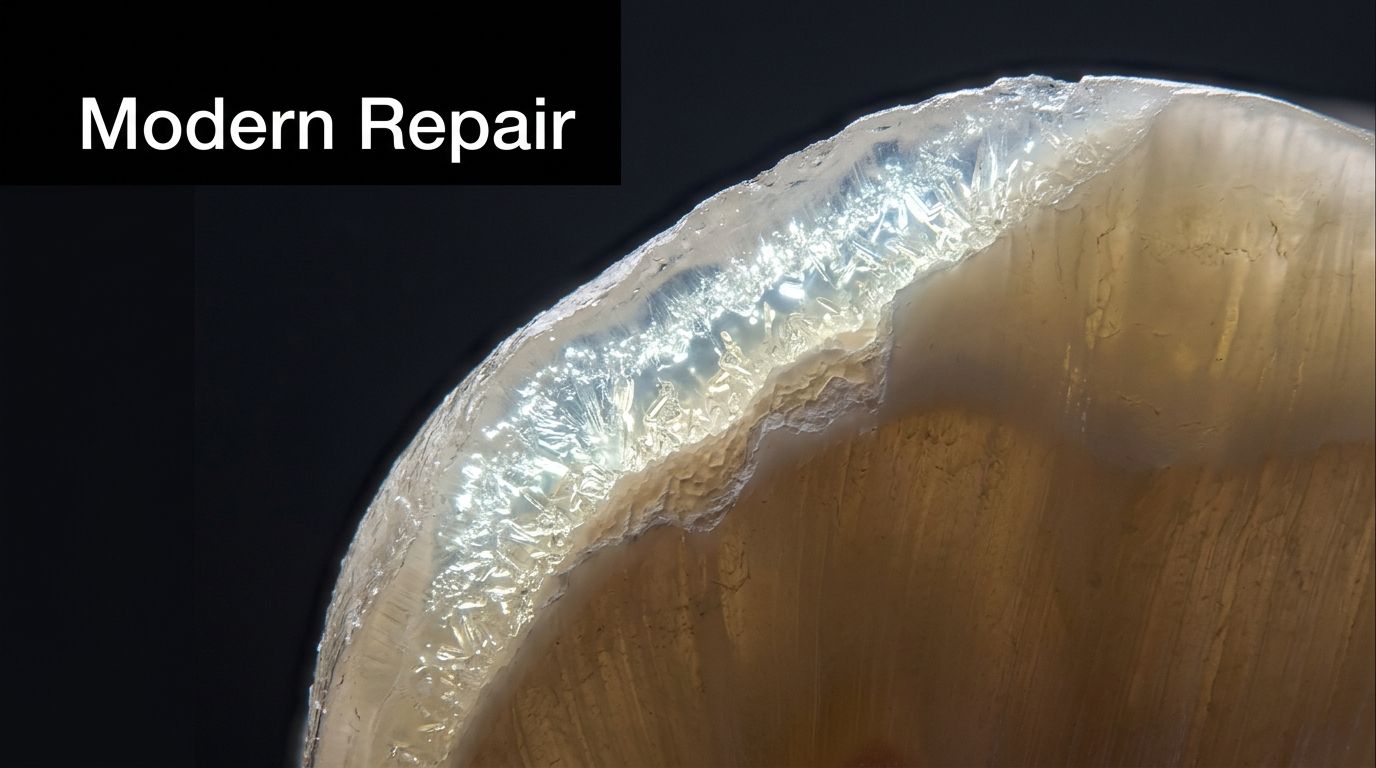
Hydroxyapatite is chemically related to the mineral in teeth. In toothpaste, these particles are intended to sit at the tooth surface, supporting a smoother feel and helping cover microscopic pathways in exposed dentine. The idea resembles replacing a thin patch on a worn surface, rather than only turning down the alarm connected to it.
That makes this approach different from ingredients designed mainly to reduce nerve responsiveness. It gives people another way to prioritize sensitivity relief plus mineral support, especially when enamel wear, acidic foods, or fluoride-free preferences are part of the decision.
Mouthology offers a 10% nano-hydroxyapatite toothpaste as one fluoride-free option for people exploring this mineral-based approach. You can learn more about the ingredient in this guide to micro-hydroxyapatite toothpaste.
The tradeoff to understand
A mineral-based formula does not suit every oral-care situation. People at risk of cavities, following a dentist-prescribed routine, or managing a specific oral condition should discuss fluoride-free care with a dental professional.
For someone seeking fluoride-free sensitivity care alongside enamel support, nano-hydroxyapatite offers a logical modern option. It shifts attention from masking discomfort to supporting the exposed surface that may be contributing to the reaction.
Maximizing Relief and When to See a Dentist
The best toothpaste for tooth sensitivity only works as part of a gentle routine. Brush with a soft-bristled toothbrush, use light pressure, and give the formula consistent daily contact rather than switching products repeatedly.
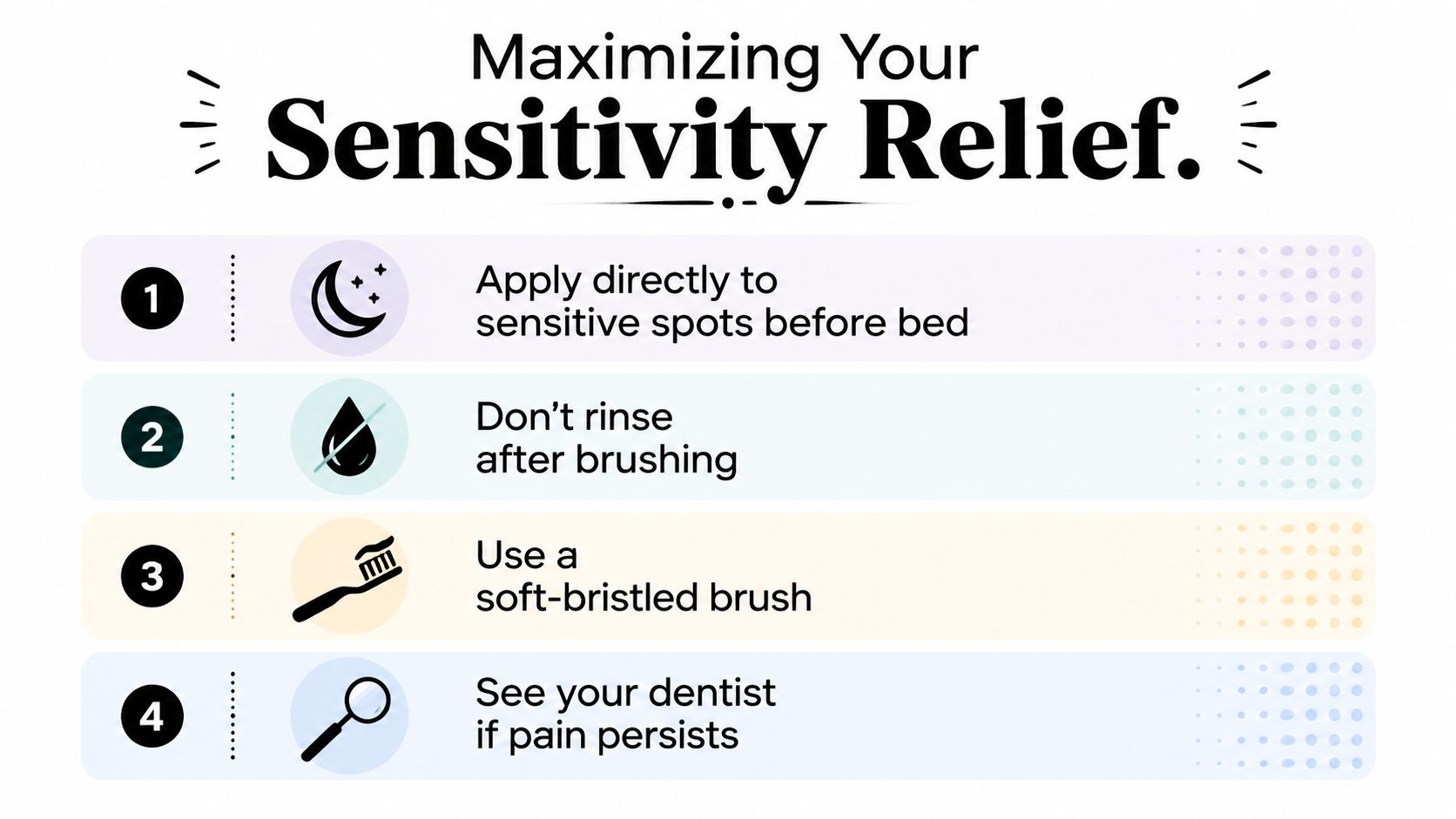
Before bed, some people apply a small amount directly to sensitive areas, then avoid rinsing immediately after brushing so the active ingredients remain in contact with the teeth. Don't scrub the gumline, and be cautious with highly abrasive whitening formulas if sensitivity is already bothering you.
Watch the pattern: Brief, trigger-related discomfort can fit sensitivity. Pain that lingers, appears without a trigger, hurts when you bite, or stays focused on one tooth deserves a dental examination.
See a dentist if the discomfort persists despite consistent home care, suddenly worsens, or comes with swelling, a visible crack, a damaged filling, or other unusual symptoms. A new toothpaste may support comfort, but it can't replace an assessment when the underlying cause needs professional care.
Compare the active ingredients on the labels of the formulas you're considering, choose the option that matches your sensitivity pattern and oral-care priorities, and use it consistently with a soft brush. If your pain is persistent or localized, book a dental appointment so you can protect the tooth and build a routine based on the actual cause.
